, who recorded at Electric Lady Studios during the same period. Key Tracks and Highlights "You Got Me" (feat. Erykah Badu & Eve)
Instead of looking for a compressed .rar file, which can carry security risks, you can access the high-quality, remastered versions through these platforms: the roots things fall apart rar
If you want the satisfaction of the RAR without the legal risk, here is a modern workflow: , who recorded at Electric Lady Studios during
In roots reggae, particularly within the "gunman" sub-genre often associated with the The Harder They Come narrative, we see a similar struggle. The song "Johnny Too Bad" (performed by The Slickers in the film) narrates the life of a man who wields a gun and boasts of his power ("One shirt on your back, one eye on the knife"). However, the narrative implies an inevitable fall. The aggression of the gunman is not strength, but a reaction to the emasculation of the colonial system. Both Okonkwo and the "rude boy" figures of roots reggae are trapped in a cycle of violence, attempting to reclaim agency in a society where the traditional paths to manhood have been dismantled. The song "Johnny Too Bad" (performed by The
: The album's most famous track, which won the 2000 Grammy for Best Rap Performance by a Duo or Group. "The Next Movement"
The novel is set against the backdrop of British colonialism, which had a profound impact on the Igbo people and their way of life. The arrival of European colonizers brought significant changes to the region, including the introduction of Christianity, Western education, and new economic systems. These changes disrupted the traditional Igbo culture, leading to a loss of identity and a sense of dislocation among the Igbo people.

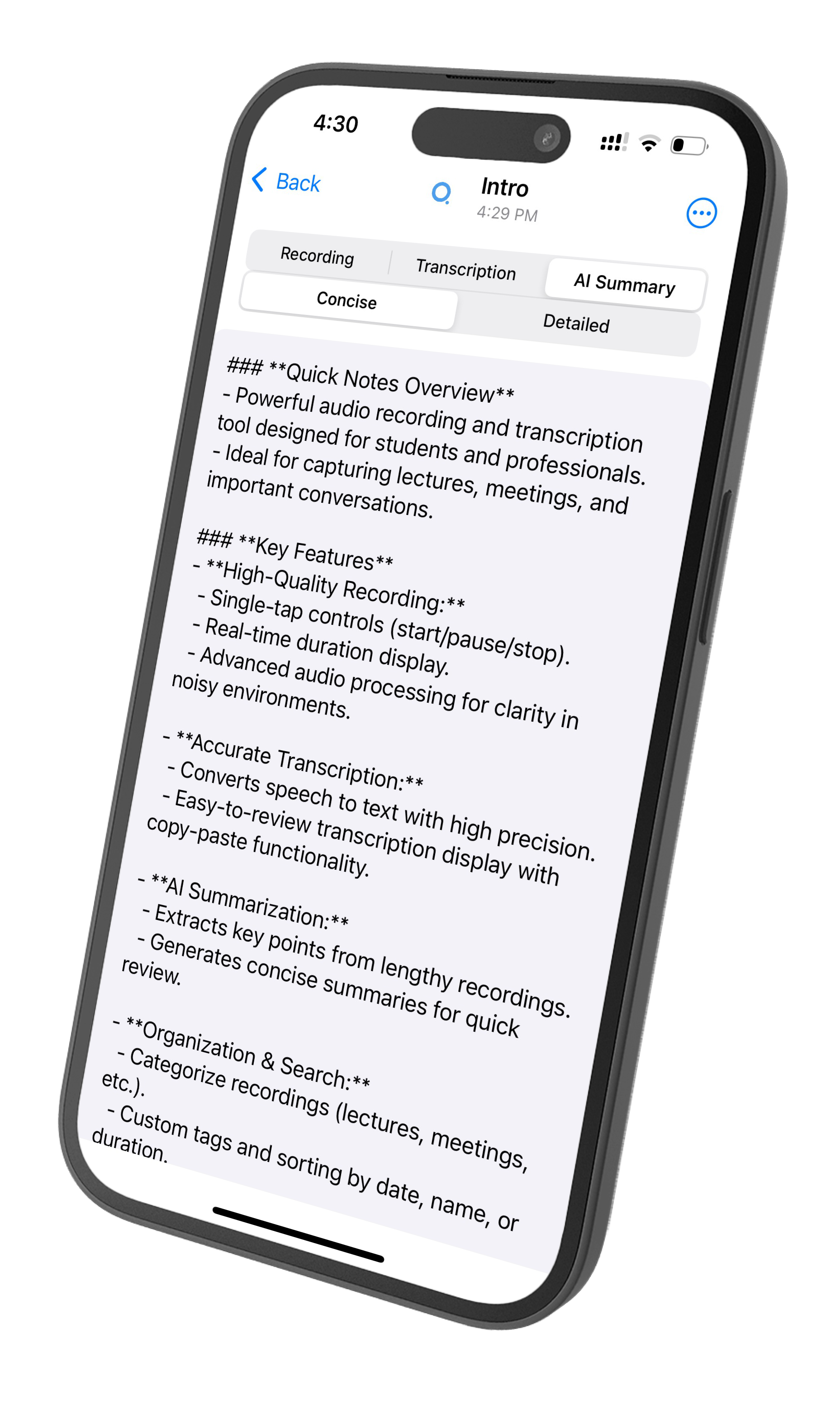
QuickNotes' advanced AI automatically creates concise summaries of your notes, helping you capture the key points without reading the entire text.
Our app provides intuitive tools for categorizing and tagging your notes, making them easy to find later when you need them most.
Find exactly what you're looking for with our powerful search that understands context and meaning, not just keywords.
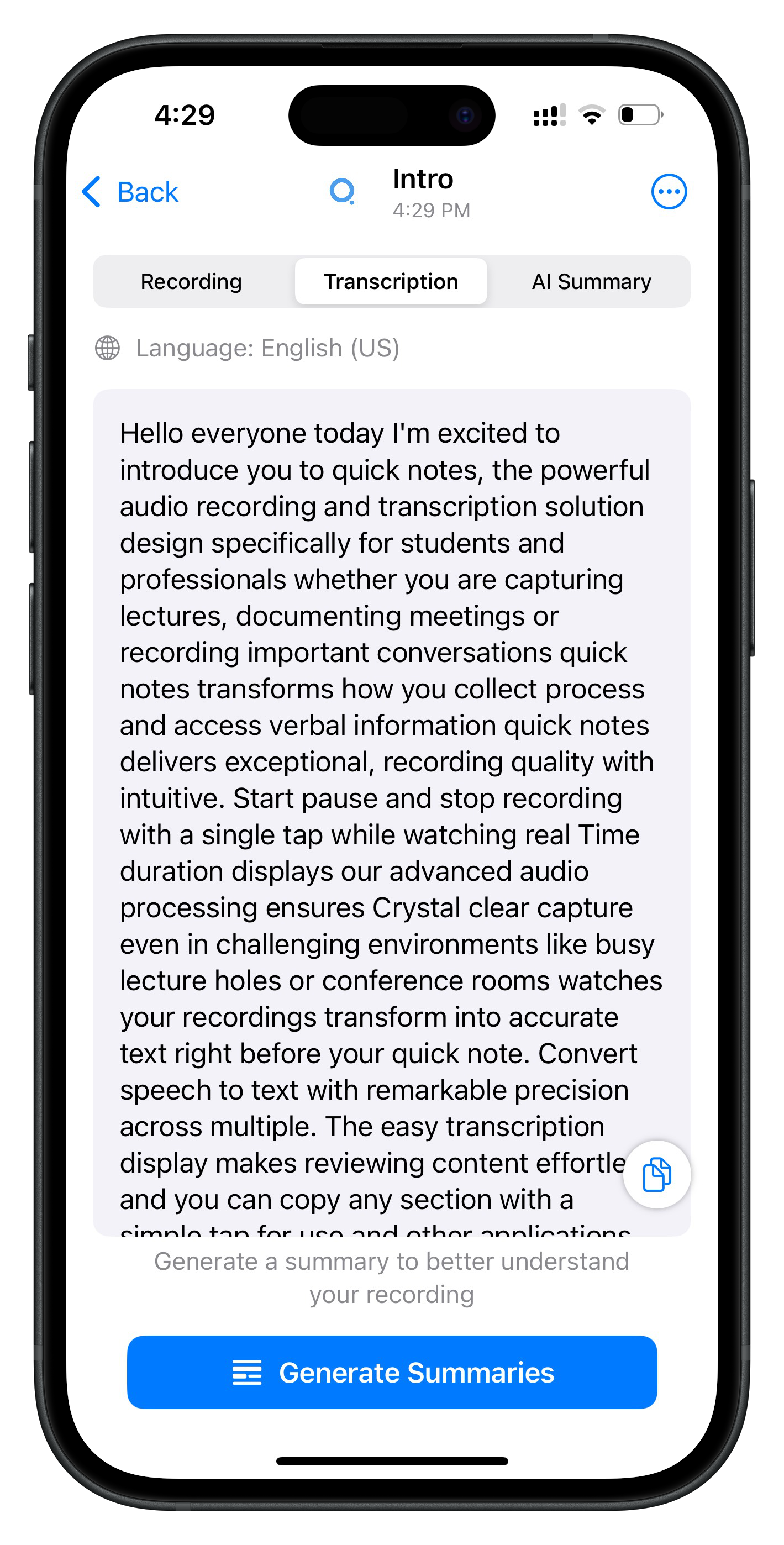
Our AI technology automatically analyzes your notes and extracts the most important information, saving you time and helping you focus on what matters most.
QuickNotes revolutionizes the way you take and organize notes with our powerful AI technology. Download our app today and experience the convenience of automatic summaries, smart organization, and seamless syncing across all your devices.
Get QuickNotes from the App Store for free.
Sign up to access your personalized workspace and unlock all features.
Begin writing and let our AI handle summaries and organization automatically.
, who recorded at Electric Lady Studios during the same period. Key Tracks and Highlights "You Got Me" (feat. Erykah Badu & Eve)
Instead of looking for a compressed .rar file, which can carry security risks, you can access the high-quality, remastered versions through these platforms:
If you want the satisfaction of the RAR without the legal risk, here is a modern workflow:
In roots reggae, particularly within the "gunman" sub-genre often associated with the The Harder They Come narrative, we see a similar struggle. The song "Johnny Too Bad" (performed by The Slickers in the film) narrates the life of a man who wields a gun and boasts of his power ("One shirt on your back, one eye on the knife"). However, the narrative implies an inevitable fall. The aggression of the gunman is not strength, but a reaction to the emasculation of the colonial system. Both Okonkwo and the "rude boy" figures of roots reggae are trapped in a cycle of violence, attempting to reclaim agency in a society where the traditional paths to manhood have been dismantled.
: The album's most famous track, which won the 2000 Grammy for Best Rap Performance by a Duo or Group. "The Next Movement"
The novel is set against the backdrop of British colonialism, which had a profound impact on the Igbo people and their way of life. The arrival of European colonizers brought significant changes to the region, including the introduction of Christianity, Western education, and new economic systems. These changes disrupted the traditional Igbo culture, leading to a loss of identity and a sense of dislocation among the Igbo people.