System: Design Interview Alex Wu Pdf New
Attach our forex robot to your account in just a few easy steps!
LIMITED SPOTS LEFT

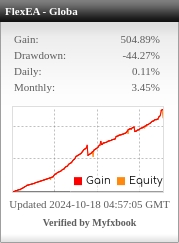
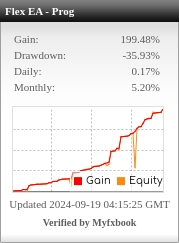
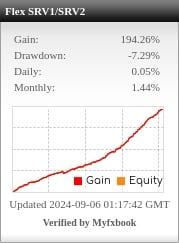
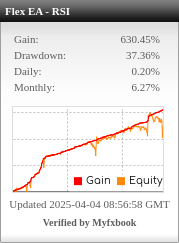
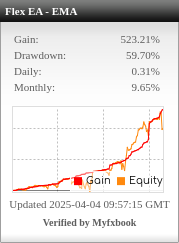
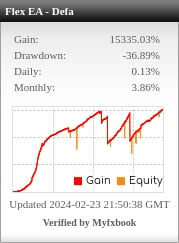
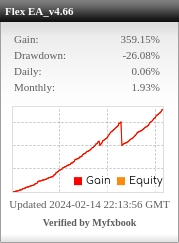
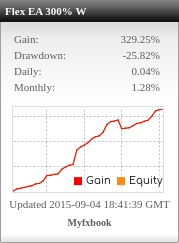
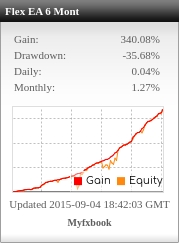
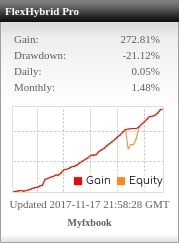




Flex EA is a fully automated verified forex ea (trading robot) that works by using a newly developed innovative technology involving "virtual trades". Flex will open virtual trades in the background, using them to constantly monitor the market to help determine the absolute perfect entry point, at which point Flex will start its automated trading as a forex robot, opening and closing real trades automatically.
No automated system out there can be profitable long-term without consistently updated settings. Flex features an automatic update system, so you can be sure your copy is always up to date with the latest, best performing settings for the current market conditions. Yet another new innovative feature we're bringing to the table.
Get up and running in minutes with just 5 easy steps: system design interview alex wu pdf new
Flex EA will start automatically opening and closing trades from then on. The search term "Alex Wu PDF" is popular
The search term "Alex Wu PDF" is popular for several practical reasons:
When Sarah tried to trip him up on "single point of failure" in the matching engine, Leo didn't flinch. He remembered the "Deep Dive" sections from the PDF—the trade-offs between synchronous and asynchronous replication.
| Feature | Alex Xu (Vol 1 & 2) | Alex Wu (New PDF) | | :--- | :--- | :--- | | | New Grads / Mid-level (L4/L5) | Senior / Staff Engineers (L5/L6) | | Focus | API design, DB schemas | Infrastructure, Networking, Cost | | Depth | Wide breadth (20 problems) | Deep dive (8 core problems) | | Visuals | Glossy, color diagrams | Monochrome, terminal-style ASCII art | | Hype Topic | CDNs, Load balancers | Service Mesh (Istio), eBPF, GPUs | | Weakness | Overused interview questions | Too advanced for juniors |
: This remains the foundational text, focusing on scaling from zero to millions of users, rate limiters, and consistent hashing. University of Southern California The "New" Digital Platform: ByteByteGo
from recent editions:
The search term "Alex Wu PDF" is popular for several practical reasons:
When Sarah tried to trip him up on "single point of failure" in the matching engine, Leo didn't flinch. He remembered the "Deep Dive" sections from the PDF—the trade-offs between synchronous and asynchronous replication.
| Feature | Alex Xu (Vol 1 & 2) | Alex Wu (New PDF) | | :--- | :--- | :--- | | | New Grads / Mid-level (L4/L5) | Senior / Staff Engineers (L5/L6) | | Focus | API design, DB schemas | Infrastructure, Networking, Cost | | Depth | Wide breadth (20 problems) | Deep dive (8 core problems) | | Visuals | Glossy, color diagrams | Monochrome, terminal-style ASCII art | | Hype Topic | CDNs, Load balancers | Service Mesh (Istio), eBPF, GPUs | | Weakness | Overused interview questions | Too advanced for juniors |
: This remains the foundational text, focusing on scaling from zero to millions of users, rate limiters, and consistent hashing. University of Southern California The "New" Digital Platform: ByteByteGo
from recent editions: