waydroid logo

A container-based approach to boot a full Android system on regular GNU/Linux systems running Wayland based desktop environments.

shape shape
Features

Main Features of Waydroid

Waydroid uses Linux namespaces (user, pid, uts, net, mount, ipc) to run a full Android system in a container and provide Android applications on any GNU/Linux-based platform (arm, arm64, x86, x86_64). The Android system inside the container has direct access to needed hardware through LXC and the binder interface.

Free and Open-Source

The Project is completely free and open-source, currently our repo is hosted on Github.

Full app integration

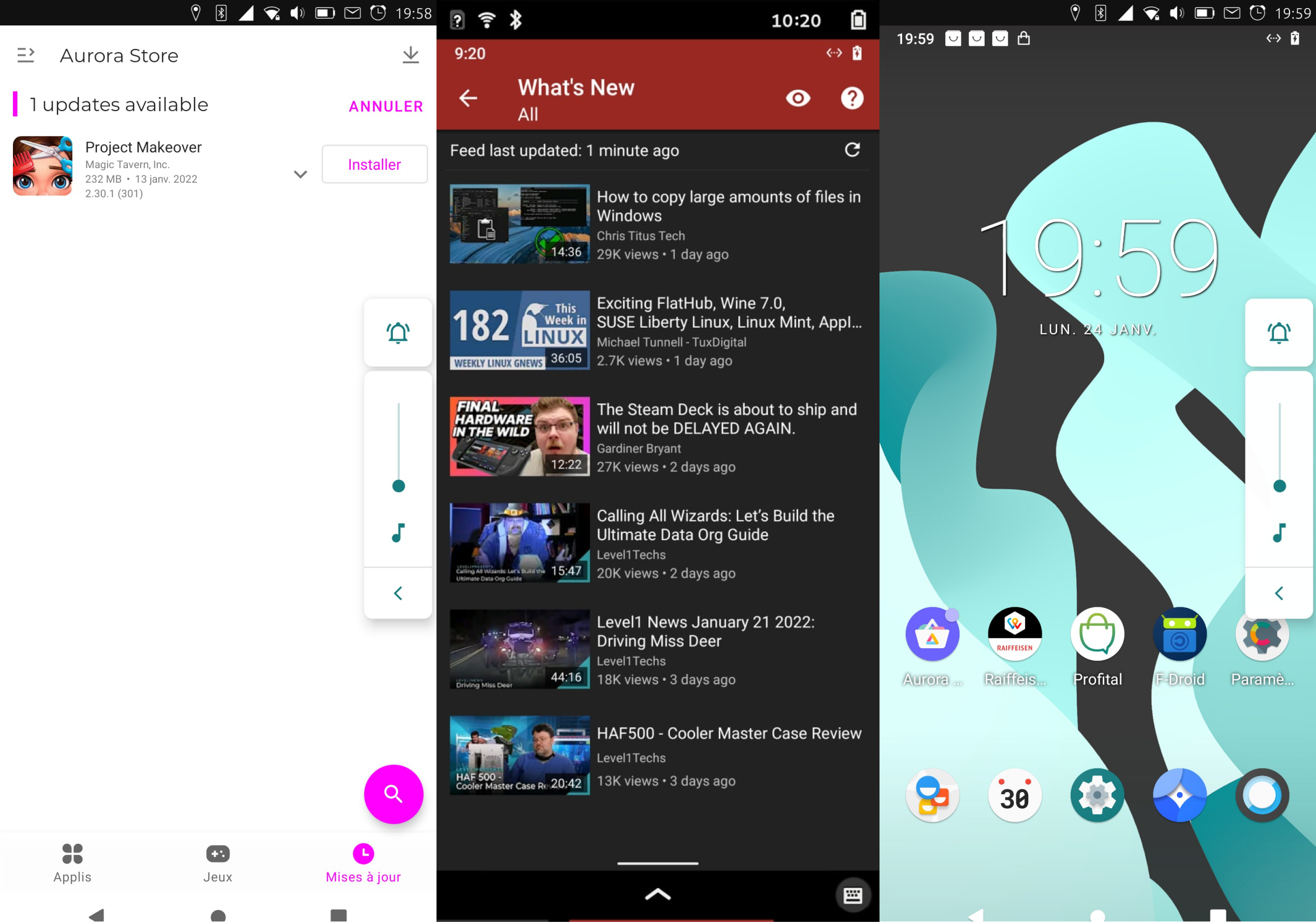
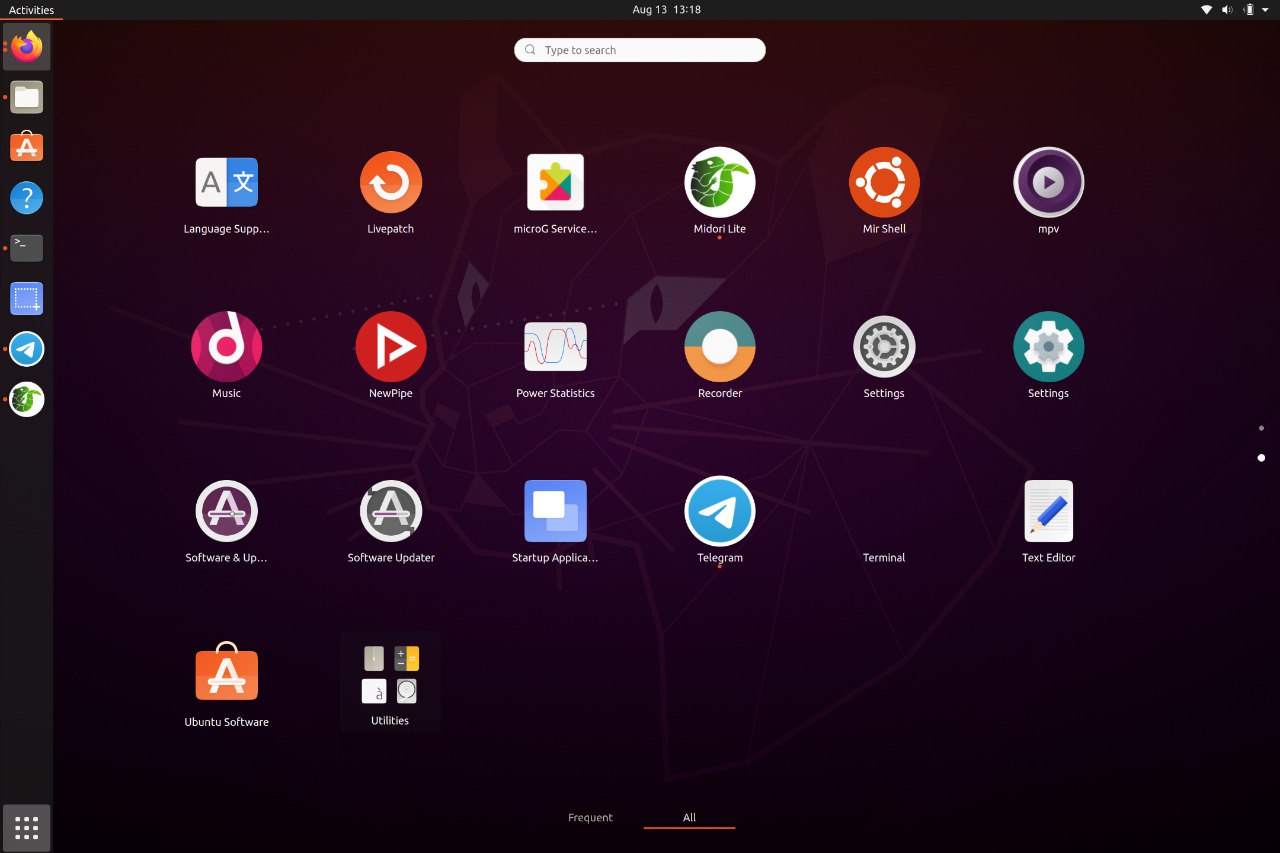
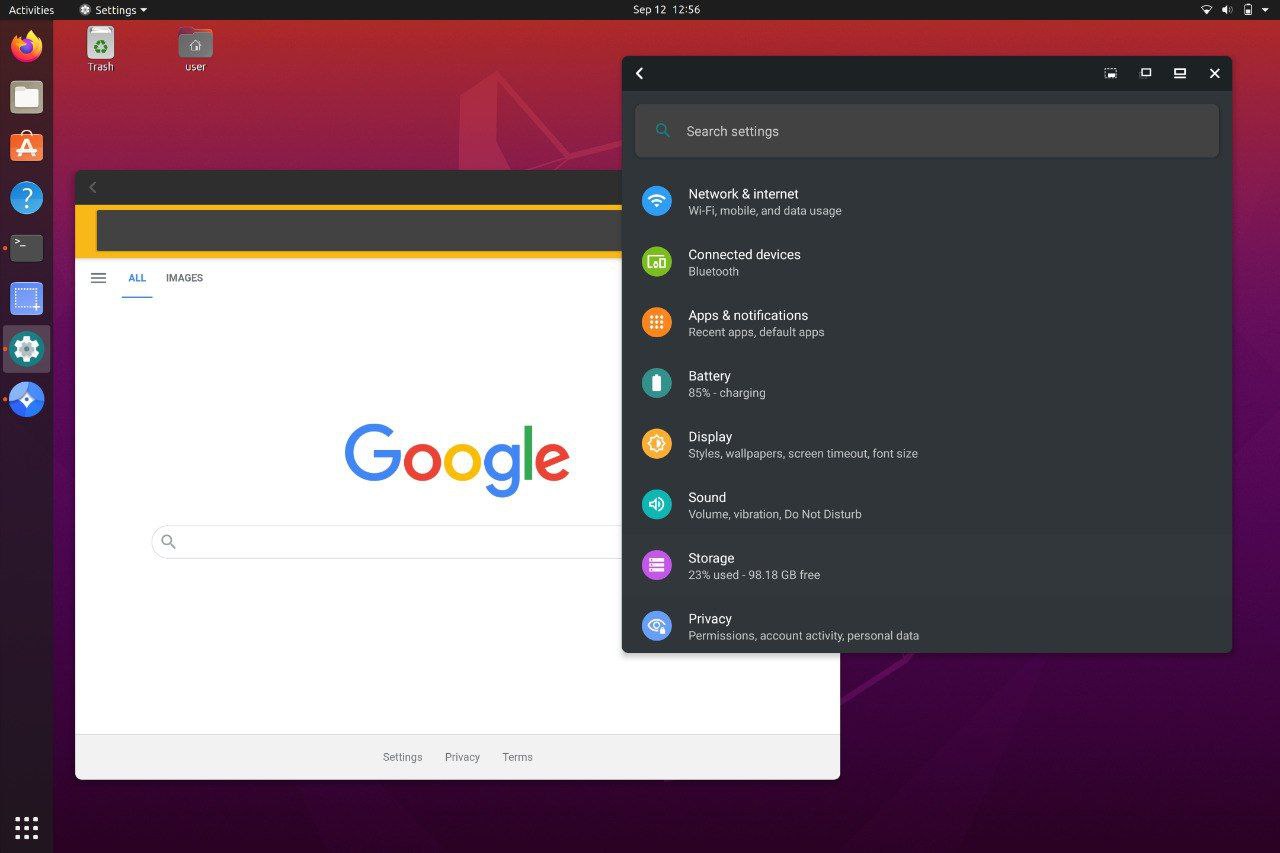
Waydroid integrated with Linux adding the Android apps to your linux applications folder.

Multi-window mode

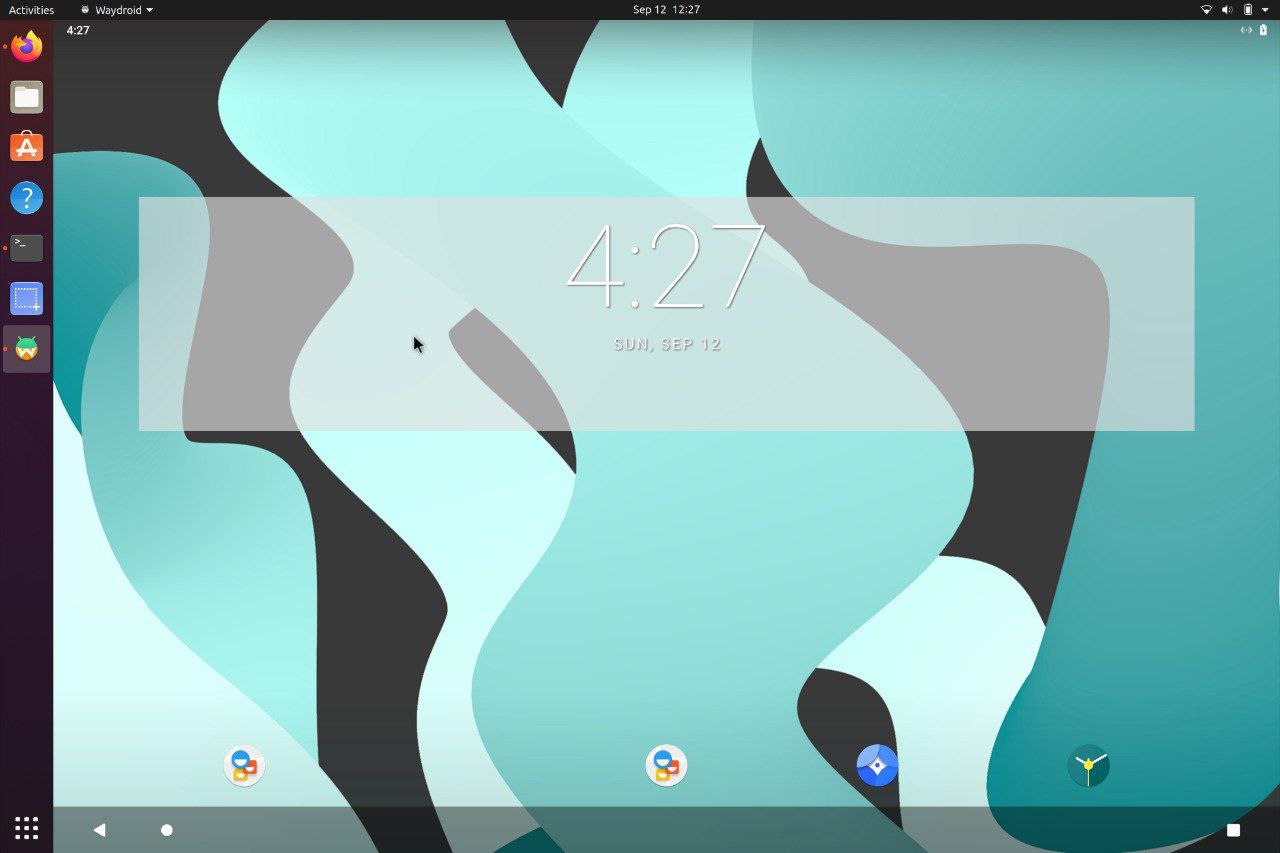
Waydroid expands on Android freeform window definition, adding a number of features.

Full UI Mode

For gaming and full screen entertainment, Waydroid can also be run to show the full Android UI.

Near native performance

Get the best performance possible using wayland and AOSP mesa, taking things to the next level

Active community

Find out what all the buzz is about and explore all the possibilities Waydroid could bring

About Us

Get your favourite Android Apps on Linux.

Waydroid brings all the apps you love, right to your desktop, working side by side your Linux applications.
The Android inside the container has direct access to needed hardwares.
The Android runtime environment ships with a minimal customized Android system image based on LineageOS. The used image is currently based on Android 13

Install Instructions
about-image
Docs

Our Documentation

Our documentation site can be found at docs.waydro.id

Bugs & Reports

Bug Reports can be filed on our repo Github Repo

Project Development

Our development repositories are hosted on Github

How to Install ?

Please refer to our installation docs for complete installation guide.

Manual Image Download

You can also manually download our images from

sourceforge logo SourceForge
shape
Instructions

Quick install reference

For systemd distributions

Waydroid supports most common architectures (ARM, ARM64, x86 & x86_64 CPUs)

Waydroid uses Android's mesa integration for passthrough, and that enables support to most ARM/ARM64 SOCs on the mobile side, and Intel/AMD GPUs for the PC side. For Nvidia GPUs (except tegra) and VMs, we recommend using software-rendering

Follow the install instructions for your linux distribution. You can find a list in our docs.

After installing you should start the waydroid-container service, if it was not started automatically:

sudo systemctl enable --now waydroid-container

Then launch Waydroid from the applications menu and follow the first-launch wizard.

If prompted, use the following links for System OTA and Vendor OTA:

https://ota.waydro.id/system

https://ota.waydro.id/vendor

For further instructions, please visit the docs site here

Puretaboo211123kitmercerpushoverxxx1080 Hot

While this ensures we are rarely bored, it also creates "filter bubbles." If an algorithm knows you like a specific genre of action movie, it will keep feeding you similar content, potentially limiting your exposure to diverse perspectives or new artistic styles. Popular media today is as much about data science as it is about creative storytelling. The Rise of User-Generated Content (UGC)

As technology advances, the line between the consumer and the content continues to blur. and Augmented Reality (AR) are poised to turn passive viewing into immersive experiences. While television remains the most popular form of video globally, the primary source of daily entertainment is rapidly shifting toward the internet, where users can choose exactly what, when, and how they engage with media.

Popular media has evolved from a tool for information into a global engine of cultural influence and economic power. In 2026, the global media and entertainment market is valued at approximately , with projections reaching $3.78 trillion by 2031. This paper explores the historical transition, technological disruption, and social significance of modern entertainment. 1. Historical Evolution of Mass Media puretaboo211123kitmercerpushoverxxx1080 hot

The entertainment industry has undergone significant transformations over the years, driven by advances in technology, changes in consumer behavior, and shifts in societal values. The rise of popular media, including film, television, music, and digital content, has created new opportunities for artists, producers, and consumers. However, it has also raised concerns about the impact of entertainment content on individuals and society.

If you are writing a paper on this topic, I can help narrow your research question, suggest methodology, or generate an annotated bibliography. Which aspect of “entertainment content and popular media” most interests you? While this ensures we are rarely bored, it

The world of entertainment content and popular media is a vast and ever-evolving landscape that has a profound impact on our culture, society, and individual lives. From movies and television shows to music, podcasts, and social media, the types of entertainment content we consume have become an integral part of our daily routines.

Television moved entertainment into the private home, transforming the family unit into a primary consumer of advertising-driven content. and Augmented Reality (AR) are poised to turn

The transition from cable television to services like Netflix, Disney+, and HBO Max has fundamentally changed our viewing habits.
Our Team

Meet The Team

Here are the members of our team

team
shape shape
Erfan Abdi
@erfanoabdi
Lead Developer
team
shape shape
Alessandro Astone
@aleasto
Developer
team
shape shape
Jon West
@electrikjesus
Developer
team
shape shape
Radek Błędowski
@RKBDI
Designer