: Before 2004, graphics were largely restricted to fixed-function operations. OpenGL 2.0 revolutionized the industry by allowing developers to write custom vertex and fragment shaders .
While modern GPUs support OpenGL 4.6+, they remain compatible with OpenGL 2.0 for legacy applications.
For over a decade following its inception in 1992, OpenGL served as the primary interface for hardware-accelerated 3D graphics. During this period, the API relied heavily on a "fixed-function" pipeline. Developers would feed geometric data and lighting parameters to the hardware, and the GPU would execute a pre-determined set of calculations to render the scene. While efficient for standard lighting and texturing, this model lacked flexibility.
And a matching fragment shader:
: Ensure your graphics drivers are up to date. On Windows, you can check the NVIDIA or AMD sites for the latest software.
: Allows a shader to write to multiple buffers simultaneously, which is essential for advanced techniques like deferred rendering Floating-Point Textures
Using VerbAce-Pro
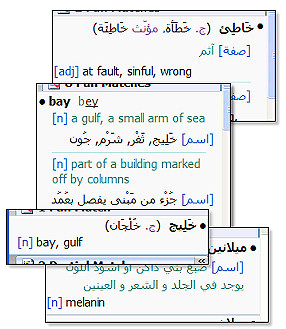
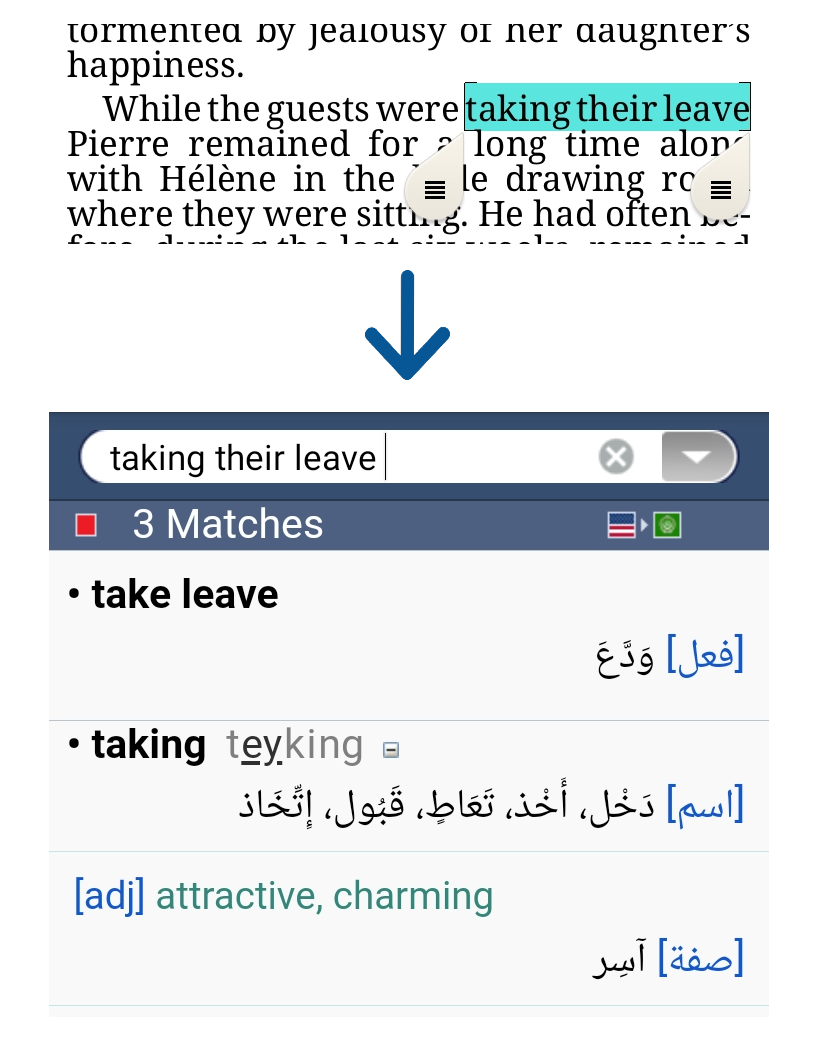
To use VerbAce-Pro just click on the word you want to translate, and the VerbAce-Pro results window will pop up with the trasnslation you need.
VerbAce-Pro captures and translates words and phrases from most Windows applications.
You can also pass the mouse over words and obtain quick translation via the Micro Window, or search for words by typing them in the term box.
Dictionary Features
|
Arabic broken plural and feminine forms | |
|
English usage indications | |
|
English broken plural forms | |
|
Entries sub-meanings (when applicable) | |
|
Many technical fields covered (Medicine, Anatomy, Law, Computing, Finance, and more) |
Advanced Morphological Engine
VerbAce-Pro morphological engine can analyze complex word formations and display the relevant dictionary entries.
The engine also detects and shows the form number of Arabic verbs.
: Before 2004, graphics were largely restricted to fixed-function operations. OpenGL 2.0 revolutionized the industry by allowing developers to write custom vertex and fragment shaders .
While modern GPUs support OpenGL 4.6+, they remain compatible with OpenGL 2.0 for legacy applications. opengl 20
For over a decade following its inception in 1992, OpenGL served as the primary interface for hardware-accelerated 3D graphics. During this period, the API relied heavily on a "fixed-function" pipeline. Developers would feed geometric data and lighting parameters to the hardware, and the GPU would execute a pre-determined set of calculations to render the scene. While efficient for standard lighting and texturing, this model lacked flexibility. : Before 2004, graphics were largely restricted to
And a matching fragment shader:
: Ensure your graphics drivers are up to date. On Windows, you can check the NVIDIA or AMD sites for the latest software. For over a decade following its inception in
: Allows a shader to write to multiple buffers simultaneously, which is essential for advanced techniques like deferred rendering Floating-Point Textures
Made with Mobirise web themes