Quartzite
Marble
Granite





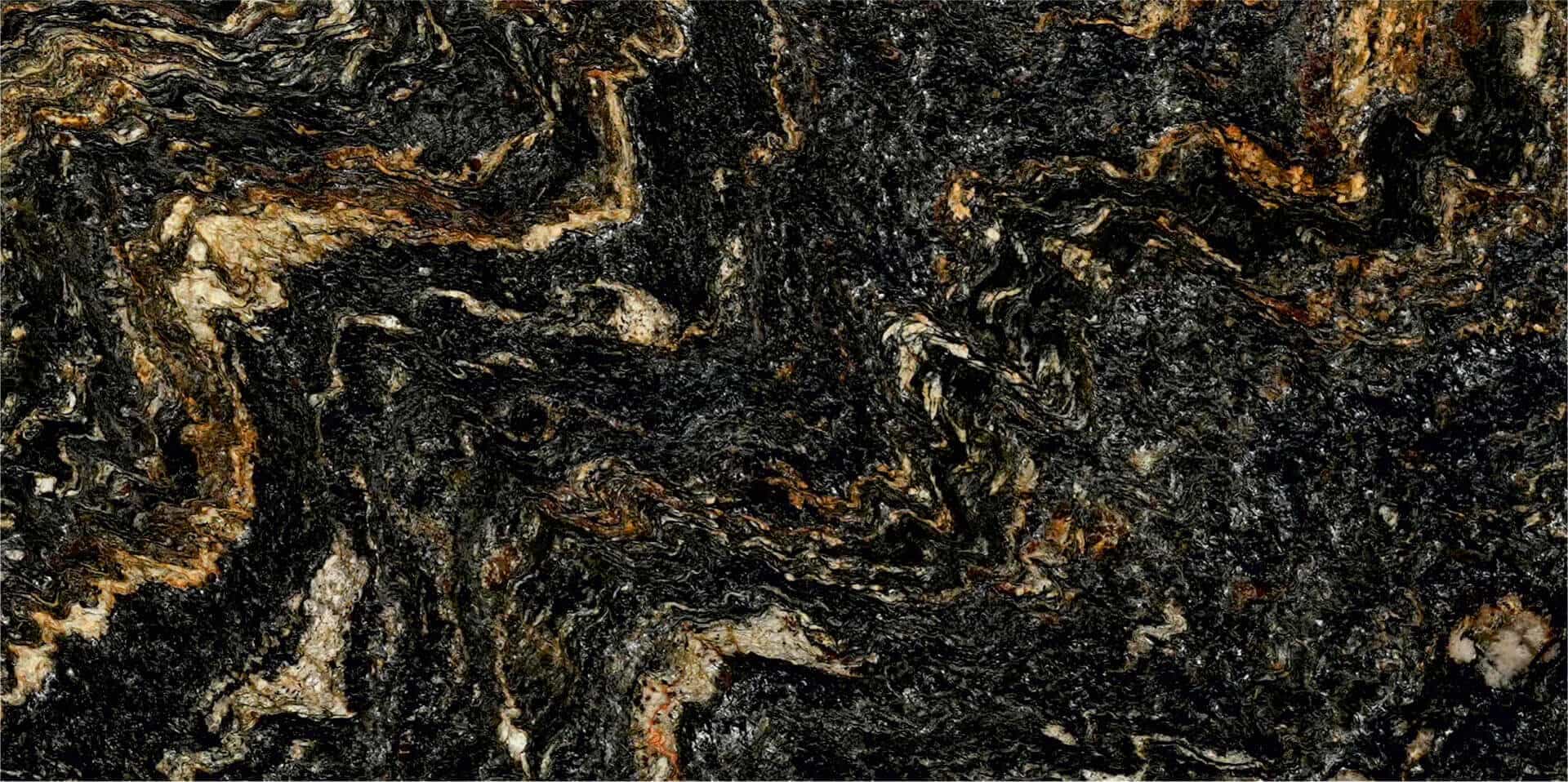
KGK Stones presents an extraordinary fusion of world-class infrastructure and exceptional craftsmanship, setting new standards in quality, design, and innovation. Delve into the realm of reality and embrace the authenticity of our natural stone offerings, where the splendor of nature comes alive, epitomizing the ultimate fusion of luxury design and unparalleled allure.



Natural
Stone Mining

Extraction and
Cutting in Blocks

Classification
of Blocks

Block
Processing

Block
Cutting

Slab
Strengthening

Polishing & Multi-step Treatments

Masterpiece Ready to be Delivered


Born from Italian craftsmanship and Breton innovation, Lapitec is the result of two decades of R&D—offering large-format, high-performance slabs that combine natural beauty with sustainability.
System Log – Event ID: 2025-04-01 The index tracking real-time happenings (event ID, timestamp, source, and status) was found to have misaligned pointers after a node failure at 03:14 UTC. A consistency check triggered automatic repair. By 03:22 UTC, the index was rebuilt and verified. All happenings from 00:00 to 03:14 are now correctly mapped. No data loss detected.
It questions the reliability of the "index." If the happening is truly spontaneous, any attempt to "fix" it in a list or archive is seen as a construction rather than a perfect reflection of reality. 3. Practical Application in Literary Analysis
When a standard index only contains the search key (like an ID), the database must perform a "Key Lookup" or "RID Lookup" to fetch other columns (like a Name or Email) from the main table, which slows down the "happening" (query execution).
: Kirby argues that a happening is a "purposeful" but "non-matrixed" performance. He defines the "index" to distinguish happenings from traditional theater, where almost every movement and word is "fixed" by a script. Summary Table: Fixed vs. Non-Fixed in Happenings Traditional Theater The Happening Structure Linear / Narrative Compartmentalized Index of Fixedness High (Scripted) Low (Framework-based) Role of Performer Acting (Representing) Being (Functioning)
, where the physical remains (photos, scripts, notes) serve as the "fixed index" for an event that no longer exists. 4. The Paradox of the Index
System Log – Event ID: 2025-04-01 The index tracking real-time happenings (event ID, timestamp, source, and status) was found to have misaligned pointers after a node failure at 03:14 UTC. A consistency check triggered automatic repair. By 03:22 UTC, the index was rebuilt and verified. All happenings from 00:00 to 03:14 are now correctly mapped. No data loss detected.
It questions the reliability of the "index." If the happening is truly spontaneous, any attempt to "fix" it in a list or archive is seen as a construction rather than a perfect reflection of reality. 3. Practical Application in Literary Analysis index of the happening fixed
When a standard index only contains the search key (like an ID), the database must perform a "Key Lookup" or "RID Lookup" to fetch other columns (like a Name or Email) from the main table, which slows down the "happening" (query execution). System Log – Event ID: 2025-04-01 The index
: Kirby argues that a happening is a "purposeful" but "non-matrixed" performance. He defines the "index" to distinguish happenings from traditional theater, where almost every movement and word is "fixed" by a script. Summary Table: Fixed vs. Non-Fixed in Happenings Traditional Theater The Happening Structure Linear / Narrative Compartmentalized Index of Fixedness High (Scripted) Low (Framework-based) Role of Performer Acting (Representing) Being (Functioning) All happenings from 00:00 to 03:14 are now correctly mapped
, where the physical remains (photos, scripts, notes) serve as the "fixed index" for an event that no longer exists. 4. The Paradox of the Index